
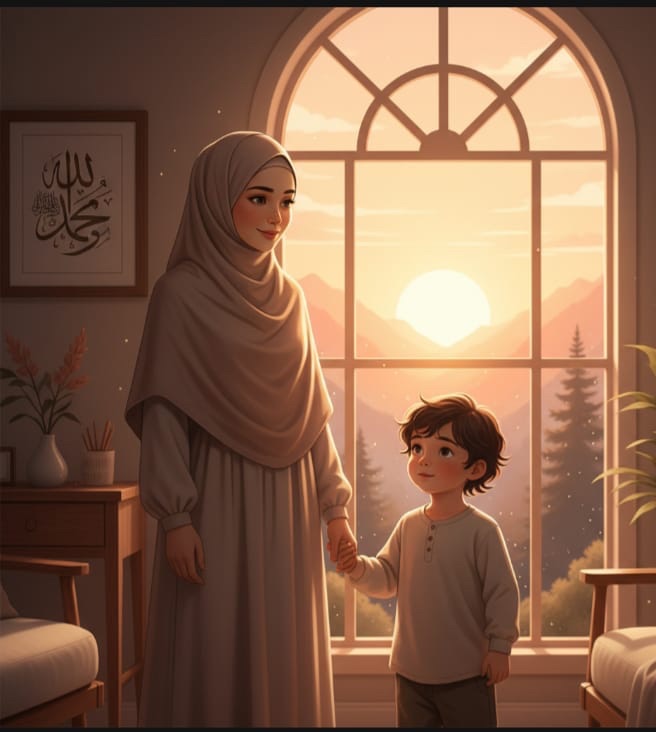
In many Muslim communities, countless women live quietly with emotions they’ve never had the chance to voice. They have dreams they never talk about. Their ideas fade before anyone listens.
Their opinions stay hidden not because Islam told them to be silent, but because culture taught them that being quiet means being modest and enduring everything means being obedient.
This is the unseen crisis we rarely address: the mental and emotional well-being of Muslim women. And when their pain goes unnoticed, it doesn’t just affect them, but it shapes the strength, confidence, and compassion of the generations they raise.
When Silence Becomes Survival
From a young age, many girls are taught to be patient, quiet and agreeable. The word “sabr“, which in its essence reflects strength, reliance on Allah and perseverance, is often misused to justify emotional neglect or silence. Over time, these young women learn that their feelings are “too much,” their ideas “too bold,” and their voices “too loud.”
What begins as patience turns into suppression. She learns to fold her identity inward, mistaking silence for strength. Yet inside, she feels unseen and unheard.
The Generational Ripple
When a woman grows up believing her voice doesn’t matter, she may struggle to raise children who believe theirs does. Emotional safety is learned and if she has never experienced it, it’s difficult to create it. A woman who feels unseen can unintentionally pass down that same emotional distance to her children.
The result is a quiet ripple through generations. We dream of raising confident, empathetic Muslim leaders—but how can we build leaders if the very foundation, the mother, feels broken inside?
A Faith that Values Her Voice
Islam shows us a completely different picture. The life of our beloved Prophet Muhammad ﷺ was full of compassion, understanding, and true partnership. He listened, cared, and valued the women around him.
His wife, Sayyidah Khadijah (RA), wasn’t just his wife. She was his strongest supporter, his trusted advisor, and the first person to believe in his message. She was wise, independent, and full of faith.
Their marriage was built on respect and emotional safety. When the Prophet ﷺ came home frightened after the first revelation, Khadijah (RA) didn’t see fear as weakness. She saw his sincerity and reminded him of his goodness. Her comfort gave him strength.
From that love and faith came generations of leaders beginning with their daughter Fatimah (RA), and through her, Hasan and Husayn (RA). Their legacy started not in power or wealth, but in a home filled with mutual respect, love, and trust.
Reclaiming the True Balance
Mental health isn’t a modern concept; it’s deeply spiritual. Islam calls for qalb saleem, a sound heart. Emotional wellness helps believers worship, lead and serve with clarity. Taking care of mental health isn’t indulgence—it’s amanah, a responsibility.
So, let’s return to the balance Islam teaches: where patience doesn’t mean silence and humility doesn’t erase self-worth. Let’s build homes and communities where women feel heard, supported, and spiritually nourished.
Because behind every confident child stands a woman who believed their voice mattered.
Healing our women is not only compassion—it’s foresight. It’s how we secure the strength of our future Ummah.
 The Speaking Diary
Subhan ALLAH
Got tears in my eyes🥹
Indeed you put unseen emotions & untold truth into words… great keep it up
LikeLike
Agree and this is what happens in Muslim communities however every point has both +vs and -vs also family should understand women and teach them on how to bring good values in family and at same time women should be understanding…
LikeLike
I love how you highlighted the difference between Islamic values and cultural norms – it’s so important to distinguish between the two, especially when it comes to women’s voices being heard 🤔
LikeLike